



Yes. Fatigue is a common but under-recognised menopausal symptom, often linked to sleep disruption and hormonal change.



Mitochondrial health, adrenal function, and nutrient status.
Identifying triggers like chronic infections, hormonal imbalances, and gut dysfunction.
Restoring energy pathways and reducing inflammation.
Building sustainable habits to prevent future fatigue.


Yes. Fatigue is a common but under-recognised menopausal symptom, often linked to sleep disruption and hormonal change.
Hormonal shifts affect sleep quality, stress hormones, and energy regulation, leading to persistent exhaustion.
Fatigue is often multifactorial. Assessment looks at symptom patterns, timing, lifestyle, and overall health rather than a single cause.
Routine tests detect disease but may not identify functional or hormonal contributors to fatigue.
Chronic stress can disrupt cortisol patterns, worsening fatigue and reducing resilience during menopause.
Assessment includes medical history, symptom review, lifestyle factors, and targeted testing where appropriate.
Treatment may include lifestyle changes, sleep support, nutritional strategies, hormone optimisation, or medical treatment depending on cause.
Recovery timelines vary. Some women notice improvement within weeks, while others need longer-term support.
Persistent fatigue is one of the most common reasons women seek support, yet it is often the least well explained. In practice, exhaustion is rarely caused by a single deficiency or diagnosis.
Recovery starts with understanding why the body has lost resilience — and restoring it gradually rather than pushing harder. With appropriate assessment and support, energy can improve, even when it has felt depleted for a long time.


Reclaim your energy, hormones, metabolism, and confidence — without extreme diets or burnout.
The E-Book by Dr Nirusha Kumaran, out now on Amazon.

PMS isn’t just an annoying inconvenience, it’s your body’s way of telling you that something is out of balance. Your hormones, gut health, stress levels, and even your diet all play a role in how you feel before your period. But here’s the good news: once you understand what’s driving your symptoms, you can take back control.
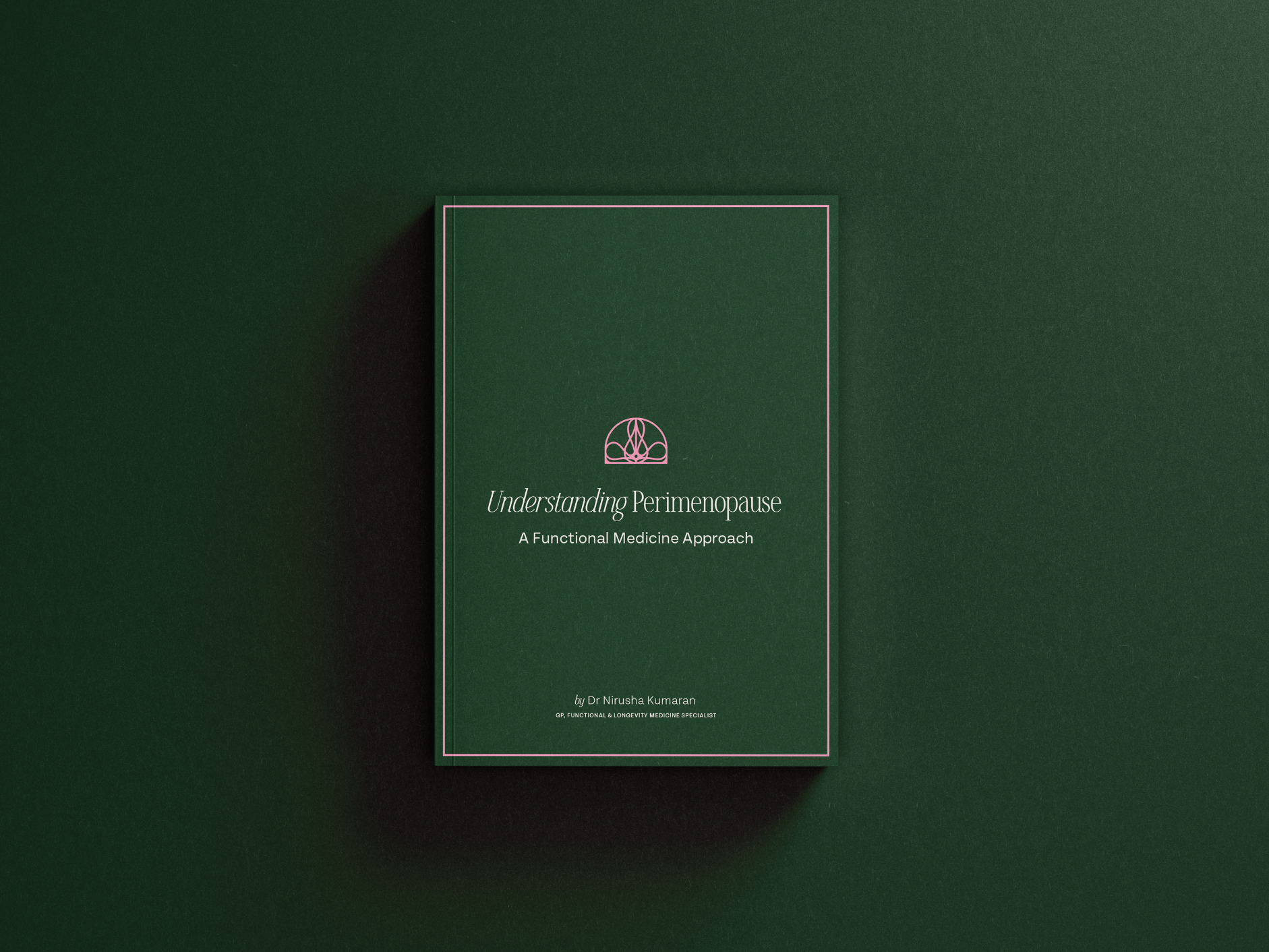
A practical, doctor-led guide explaining symptoms, testing options, treatment strategies and lifestyle adjustments to support hormone balance during perimenopause.
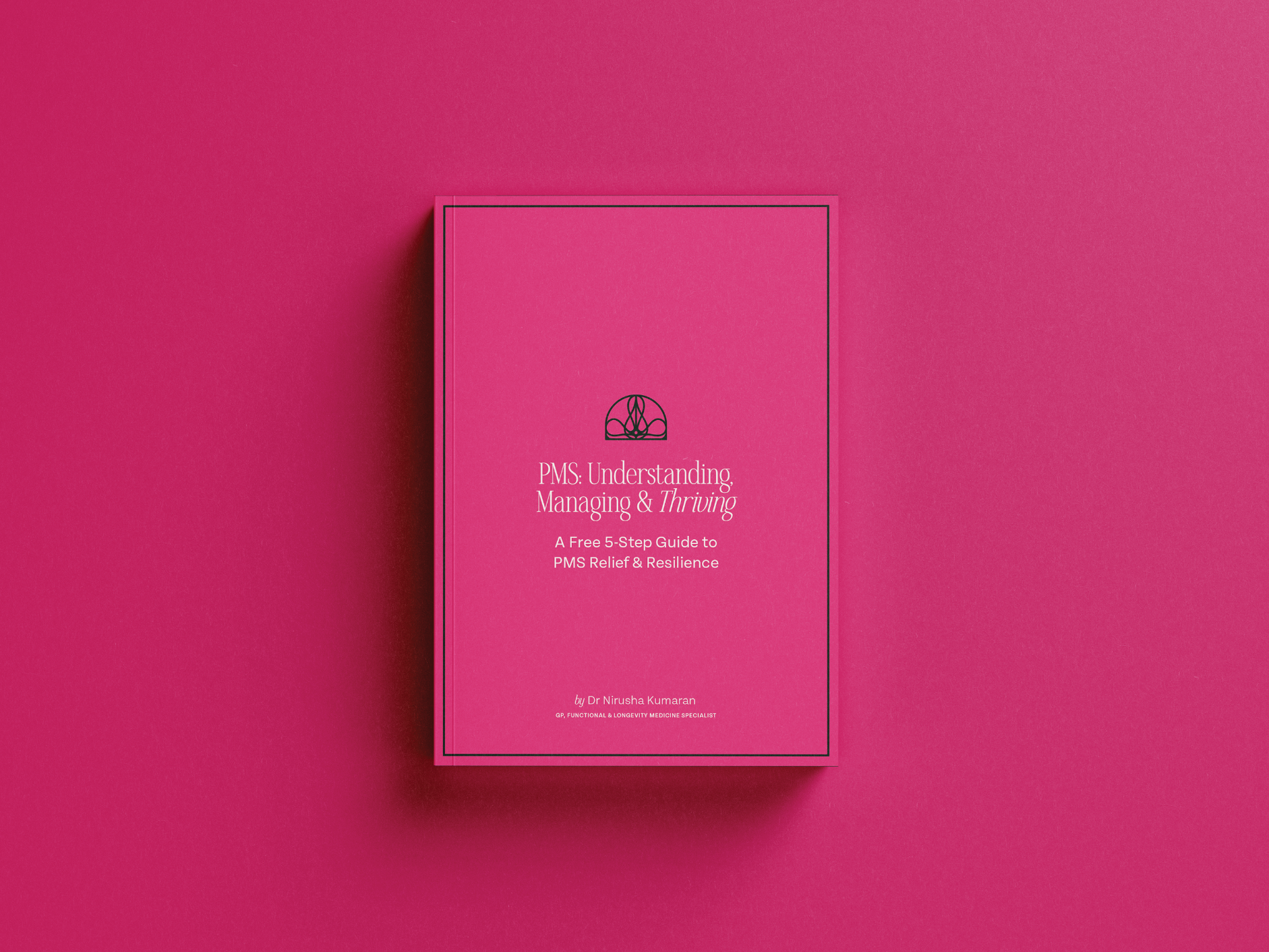
A 5-step evidence-based guide detailing root causes of PMS, dietary and lifestyle strategies, and how personalised plans improve symptom control.


Are you searching for a speaker who offers unique perspectives on Functional and Longevity Medicine, hormone health, and the benefits of root-cause healing? Whether it’s a podcast, health summit, medical conference, or wellness panel, Dr Nirusha provides insightful, science-based talks that both inspire and educate.


You're now a part of a growing community of women looking to empower themselves with knowledge that helps them lead their 'pinkest' life.
.png)